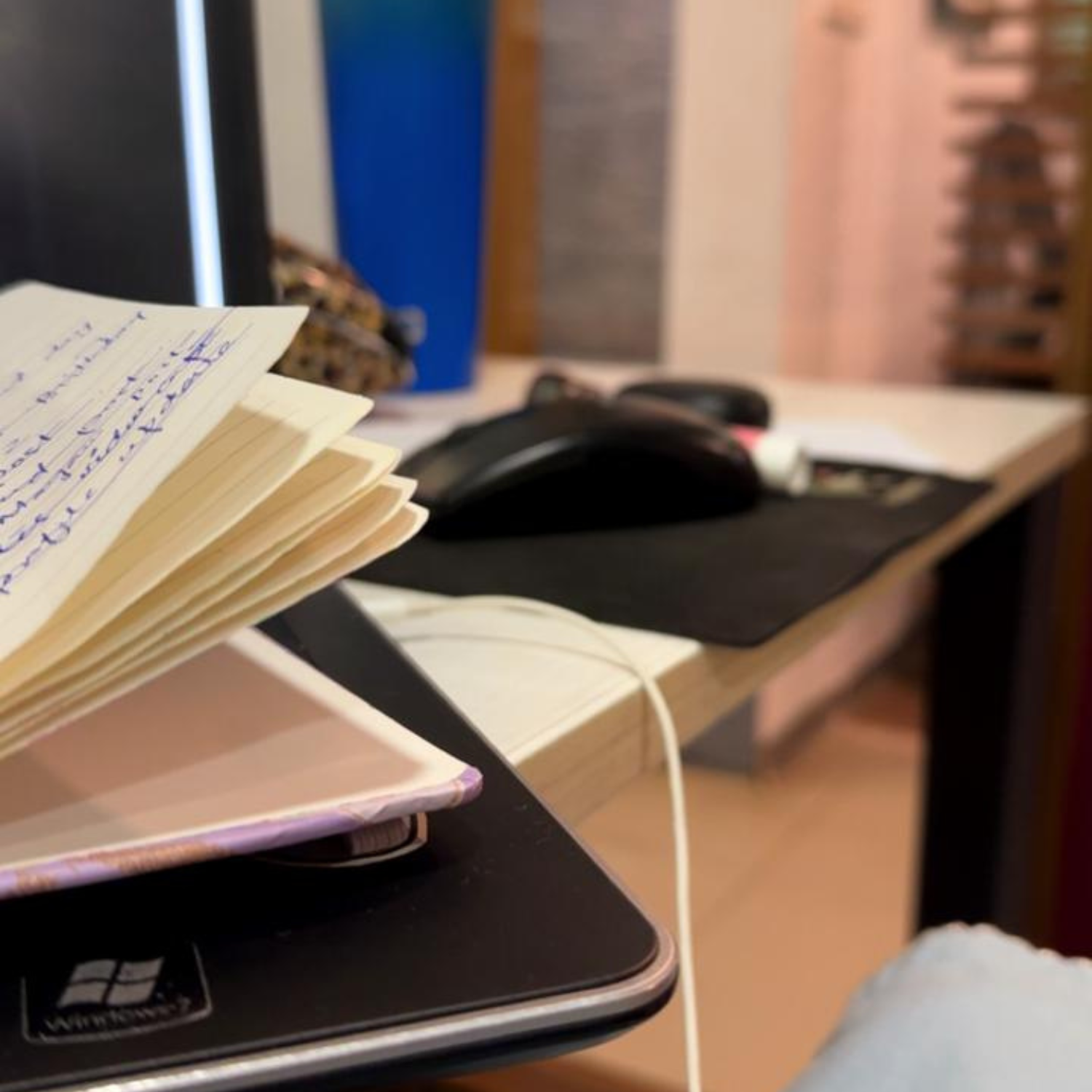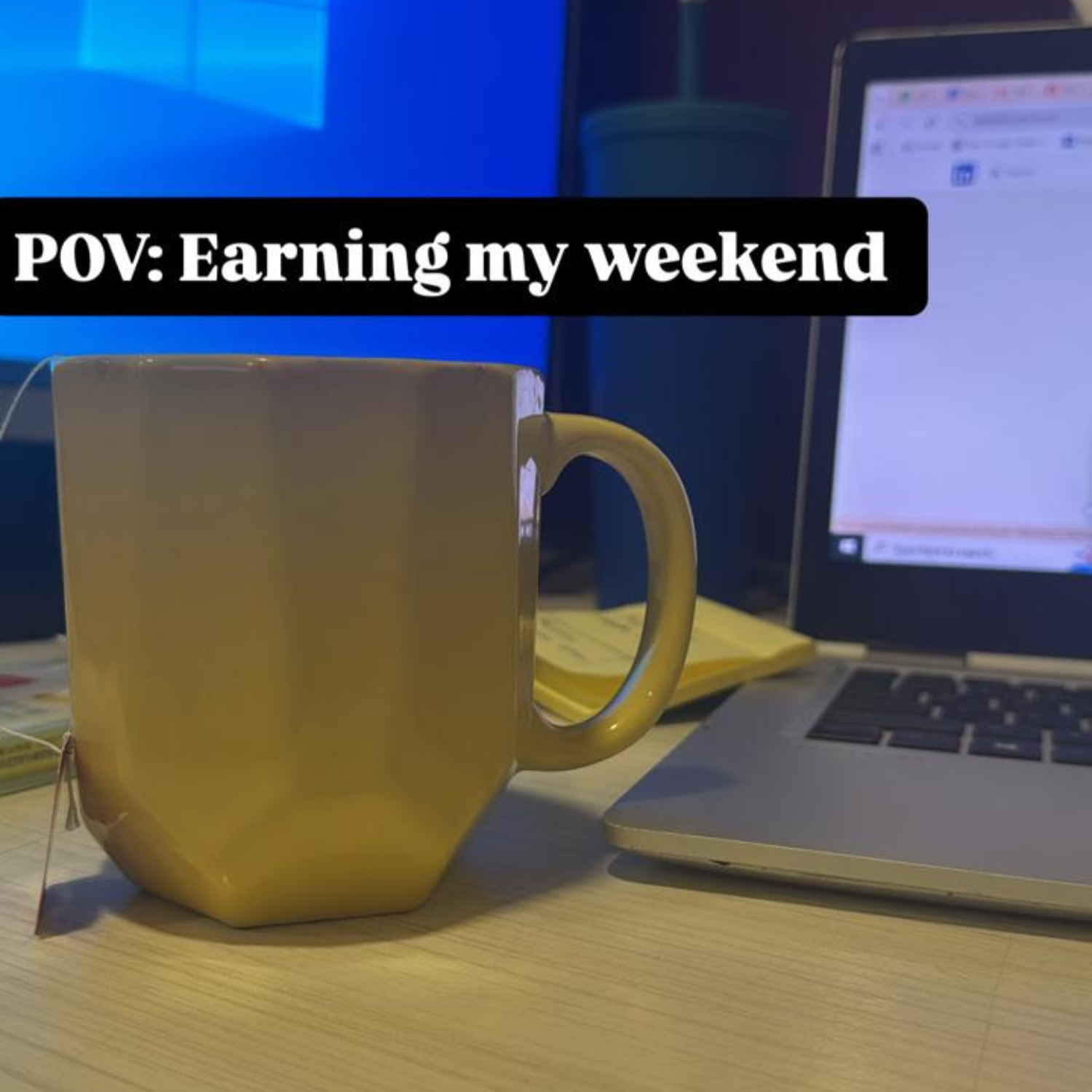
I rewrote the same headline eleven times this week.
Not because I was being perfectionist about it. Not because the client kept changing their mind. Just because the first ten were wrong, and somewhere between attempt seven and eight, I started genuinely questioning whether I even knew how to write anymore.
That is content writing in its truest, least-Instagrammable form.
The Version of This Job Nobody Posts About
There is a very specific aesthetic that follows creative professionals on the internet. Soft lighting. A clean desk. A warm cup of coffee that somehow never runs out. Captions about “doing what you love” and “another day in the dream job.”
And I get it. Wins feel good to share. Progress feels good to celebrate.
But this week, I want to talk about the part that does not make it to the feed. The part that is just… work. Hard, unglamorous, stare-at-your-screen-until-your-eyes-hurt work.
Because if you are in a creative role and your week looked nothing like the highlight reel, I want you to know that mine did not either. And I still produced work I am genuinely proud of.
What This Week Actually Looked Like
Three client briefs landed on my desk this week, all marked urgent. Not one-after-the-other urgent. At-the-same-time urgent. The kind of situation where you open your laptop, see your task list, and briefly consider a career in something quieter. Accounting, maybe. Lighthouse keeping.
Each brief needed a different voice, a different audience, a different strategy. Switching between them meant constantly resetting my brain — closing one creative world and opening another, sometimes within the same hour.
Then came 2pm on Wednesday.
If you work in content, you know 2pm. It is the hour where your brain decides it has done enough for the day even though your to-do list disagrees. Words stop connecting. Every sentence you write sounds like a rough draft of a rough draft. The cursor blinks at you like it is personally judging your output.
I had a creative block. A proper one.
I did not push through it elegantly. I did not have a Pinterest-worthy “creativity ritual” that fixed everything. I made another coffee — one too many, genuinely, my hands were slightly shaky by 4pm — moved some things around on my screen, and just kept going. Not because I felt inspired. Because the deadline did not care how I felt.
The headline I mentioned rewrote itself eleven times across two days. The first version was fine. The second was fine. By version five I was convinced I had lost the ability to think in plain English. Version nine started to feel different. Eleven landed.
When it clicked, it clicked hard. That specific feeling when the words finally do what you need them to do — that is the whole reason this job is worth doing. But you cannot get there without the ten versions that did not work.
The Myth of the Always-On Creative
Here is something the content industry does not say loudly enough: creative blocks are not a sign that you are bad at your job. They are a sign that you are doing a hard job.
Writing is thinking made visible. And thinking — real thinking, not just typing words in a logical order — is exhausting. When your brain stalls, it is not broken. It is processing. It is working through something it has not figured out yet.
The pressure to always be “on,” always inspired, always producing effortlessly brilliant work is not just unrealistic. It is actively harmful. It makes normal, necessary friction feel like failure.
Some days the words come easy. Some days you are chasing your own focus across five open tabs, rewriting the same paragraph until it sounds right, editing a sentence so many times you cannot tell anymore if it is good or you have just gone word-blind.
Both of those days count as working.
What Actually Keeps You Going
At the end of a week like this one, something happened that reminded me why I do this.
A client read the copy I had wrestled out of that Wednesday block — the piece I almost scrapped, the one that went through more drafts than I care to admit — and said: “This is exactly what we needed.”
Four words. That is all it took to reframe the entire week.
Not because external validation is the goal. But because it confirmed something I already knew and temporarily forgot: the struggle and the quality are not separate things. The struggle is often how the quality happens. The eleven headlines are not wasted attempts. They are the process that produced the one that worked.
For Everyone Grinding Through Their Week
If you are in a creative role — writing, designing, strategizing, making things from nothing — and your week looked more like mine than like the highlight reels you are scrolling past, I want to say this clearly:
You are not behind. You are not losing your edge. You are not the only one whose 2pm looked like a personal crisis.
Showing up on the hard days and doing the work anyway is not a small thing. It is actually the whole thing.
The aesthetic desk setups are nice. But the real version of creative work is messier, slower, and more repetitive than anyone’s feed suggests. It is also, on the days it works, one of the most satisfying things you can do for a living.
Even when it takes eleven tries to get there.